Foundation
What exactly is Maida?
Refined white flour is called maida in India.
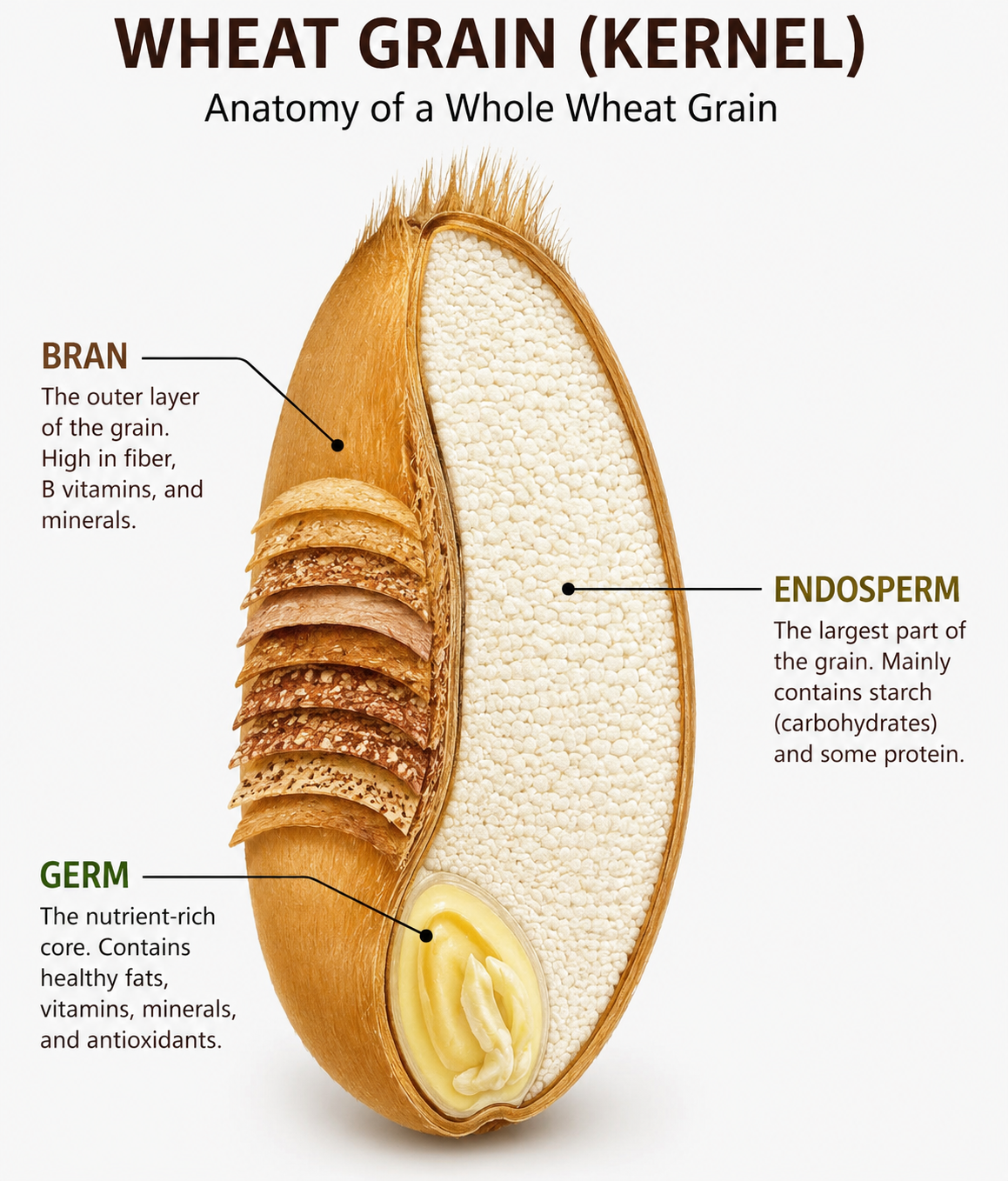
White flour and whole wheat flour both come from the same grain: the wheat grain. A wheat grain, also called a wheat kernel or wheat berry, is actually a seed. Like many seeds, it contains different parts with different biological functions.
A wheat grain has three major components: bran, germ, and endosperm. Maida is primarily the endosperm.
Maida is not a unique Indian ingredient. Similar refined wheat flours are used worldwide as all-purpose flour, patent flour, bread flour, and cake flour.
Most breads, croissants, baguettes, brioche, pizza, pasta, and pastries around the world are made from refined wheat flour. So the question is not simply whether maida is “good” or “bad,” but what it is, how it is used, and how it fits into the whole diet.
Food Myths
Maida and fear mongering
Many Indians are scared to eat maida because it is often described as unhealthy, sawdust-like, digestive-problem-causing, or suitable only for patients. It is commonly used in desserts, cakes, biscuits, snacks, and bakery products, and is often excluded from “healthy” recipes.
The flat bread called roti is usually made with whole wheat flour rather than refined white flour. This is one reason maida becomes controversial in India.
Common beliefs
“Maida is poison.”
“Maida sticks to your intestines.”
“Maida causes diabetes.”
“Maida is made from chemicals.”
Basic Understanding
So what is whole wheat flour?
Whole wheat flour contains bran, germ, and endosperm. In other words, the entire wheat grain is ground into flour. Nothing is removed. This is why it is called “whole” wheat flour.
So what is maida, or white flour?
Maida contains mostly the endosperm. The bran is removed, the germ is removed, and the endosperm is retained. Only the inner starchy part of the wheat grain is milled into flour.
Since the endosperm is naturally light-colored, the flour appears white. It is not white because the flour has been “painted white.” It is white because the naturally darker bran and germ have been removed.
Whole Wheat Flour
Uses the bran, germ, and endosperm. It contains the entire grain.
Maida / White Flour
Uses mostly the endosperm. Bran and germ are removed during refining.
Analogy
An easy understanding: imagine an orange
Imagine an orange. The peel is like bran, the seed is like germ, and the juicy flesh is like endosperm. Whole wheat flour uses everything. White flour uses mostly the juicy flesh.
The main difference is that white flour contains primarily the endosperm, while whole wheat flour contains all parts of the grain.
Peel
Similar to bran.
Seed
Similar to germ.
Juicy flesh
Similar to endosperm.
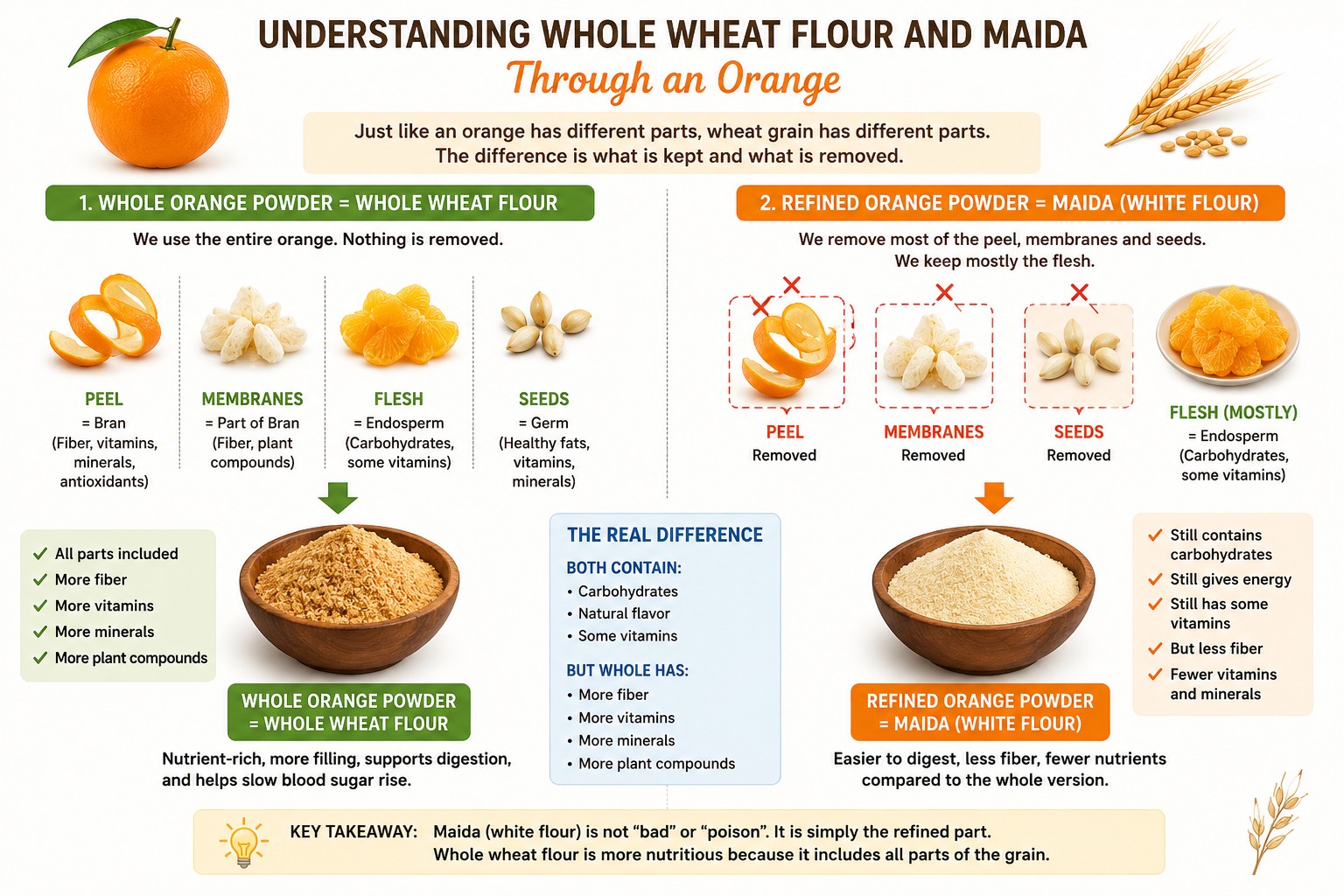
Understanding whole wheat and white flour through an orange
Imagine you take an orange and dehydrate it completely. Now you have a dry orange.
Whole orange powder
You grind the peel, membranes, flesh, and optionally the seeds into a powder.
This is similar to whole wheat flour because all parts of the original food remain.
Refined orange powder
Now imagine that before grinding, you remove most of the peel, most of the membranes, and the seeds, and grind mainly the sweet flesh.
You still get a powder made entirely from orange. It still contains carbohydrates, orange flavor, and some vitamins, but it contains less fiber and fewer nutrients concentrated in the peel and membranes. This is similar to white flour, or maida.
Flour Processing
What is flour bleaching and does it matter?
Freshly milled wheat flour is naturally cream or slightly yellow in color, mainly due to natural pigments called carotenoids.
Over time, exposure to air naturally whitens flour through oxidation. Traditionally, mills allowed flour to “age” for weeks or months before use.
To speed up this process, some manufacturers historically used bleaching agents such as:
- Benzoyl peroxide
- Chlorine gas, mainly for cake flour in some countries
These agents oxidize pigments in the flour, making it appear whiter and sometimes altering baking properties.
Does bleaching affect nutrition and health?
Bleaching primarily affects the color and certain baking characteristics of flour. It does not significantly change the carbohydrate, protein, fat, or fiber content of the flour.
Current evidence suggests that approved bleaching agents used within regulatory limits do not pose a significant health risk to consumers.
Nutrition
Whole wheat flour vs maida: what is the difference nutritionally?
Whole wheat flour contains
- More fiber
- More vitamins and minerals
- More natural plant compounds
Maida contains
- Similar carbohydrates
- Similar calories
- Similar protein
- Less fiber
- Fewer vitamins and minerals
What does this mean for health?
Because whole wheat contains more fiber, it is generally more filling, supports digestive health, and slows the rise in blood sugar after meals. Maida is digested more quickly because much of the fiber has been removed.
Truth vs Exaggeration
Why the fear mongering?
Some concerns about maida are based on real nutritional differences:
- Maida contains less fiber than whole wheat flour.
- Maida contains fewer vitamins and minerals.
- Foods made with maida are often easier to overeat.
Yes, these points are true. Many concerns about maida are based on a mix of facts, misunderstandings, and exaggerations.
What is exaggerated or false?
- “Maida is poison.”
- “Maida sticks to the intestines.”
- “Maida is made of plastic or glue.”
- “Eating maida automatically causes diabetes.”
There is no scientific evidence supporting these claims. The real nutritional concern is not that maida is toxic, but that refining removes some beneficial nutrients.
Numbers
How big is the nutritional difference?
Per 100 g flour, values vary slightly by variety and milling.
| Nutrient | Whole Wheat | Maida |
|---|---|---|
| Calories | ~340 kcal | ~360 kcal |
| Protein | ~12–13 g | ~10–12 g |
| Fiber | ~10–12 g | ~2–3 g |
| Carbohydrates | ~70–72 g | ~74–76 g |
| Fat | ~2–3 g | ~1 g |
The biggest difference is fiber. Whole wheat may contain 4–5 times more fiber than maida. The calorie difference is actually quite small.
This surprises many people because maida is often portrayed as dramatically different from whole wheat, when the largest nutritional gap is fiber and certain micronutrients.
Balanced Eating
How should maida be consumed?
The problem is often not the flour itself but the food it comes in. Instead of focusing only on the flour, look at the whole plate.
Better choices
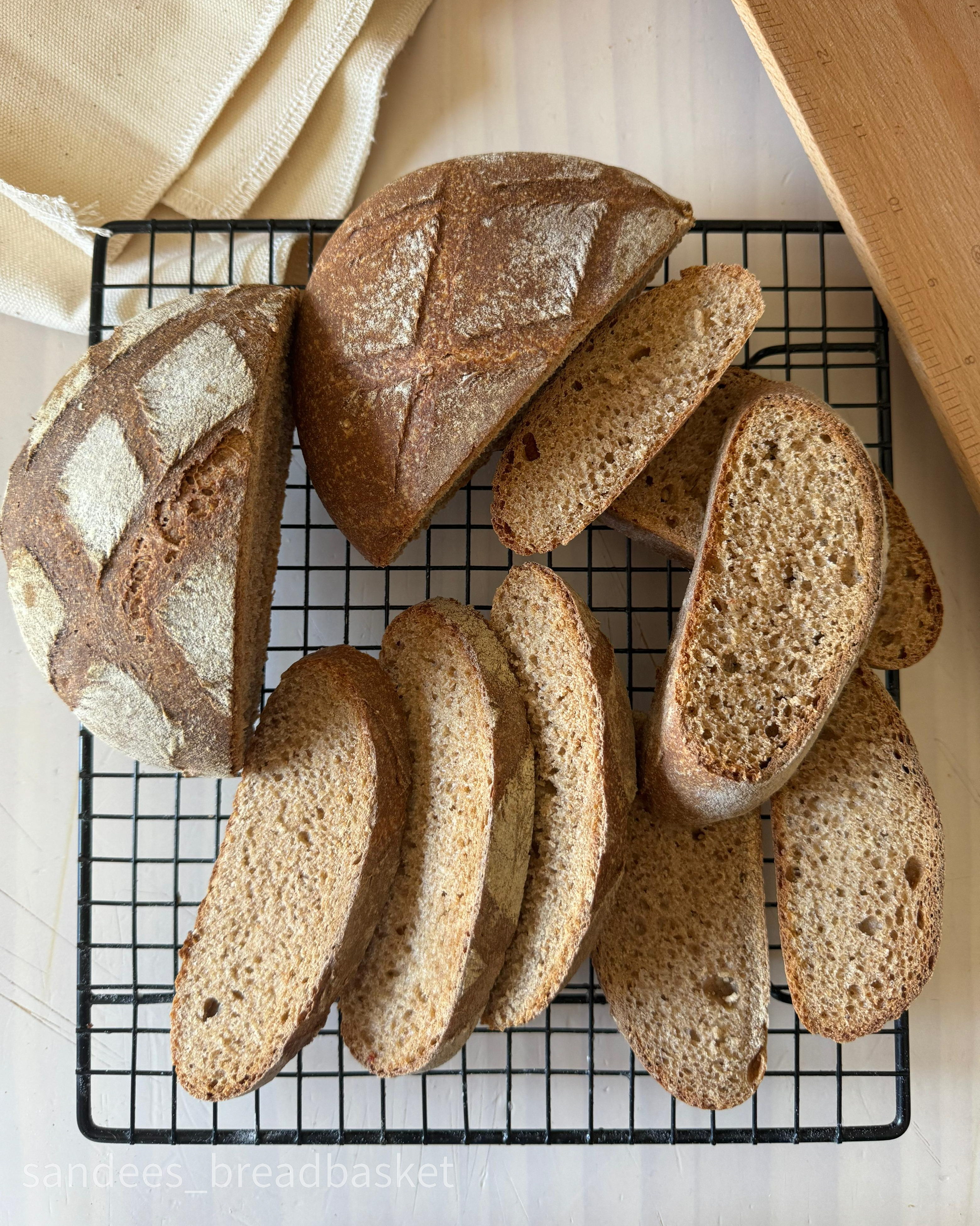
- Sourdough bread
- Roti with balanced meals
- Naan with dal or curry
- Pasta with vegetables and protein
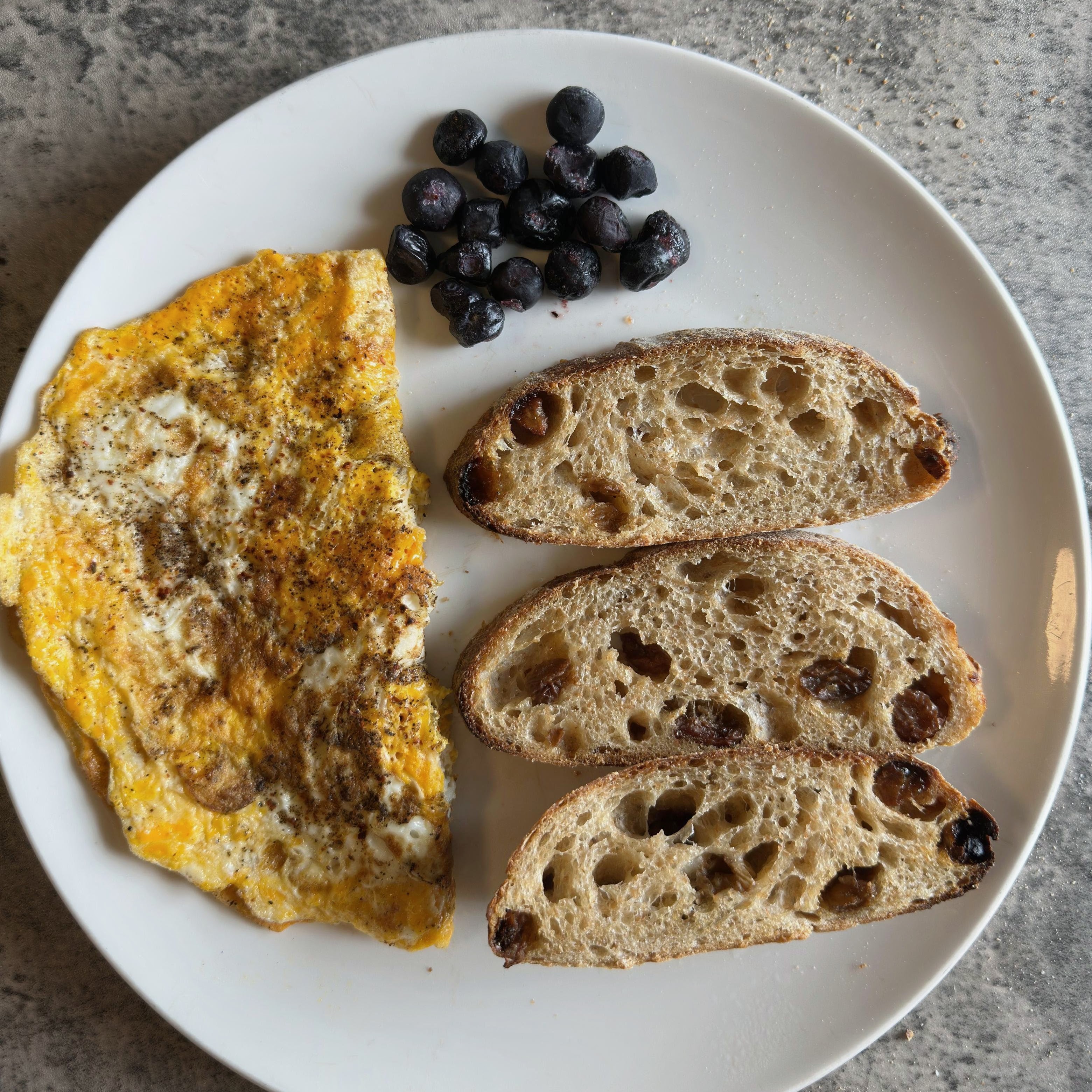
- Bread paired with vegetables or fruits for extra fiber
Make the meal balanced
- Protein such as dal, eggs, paneer, meat, or tofu
- Vegetables
- Fruits
Comparison
If white flour is feared, why isn’t white rice?
This is a question worth asking. White rice and white flour are actually quite similar in one important way.
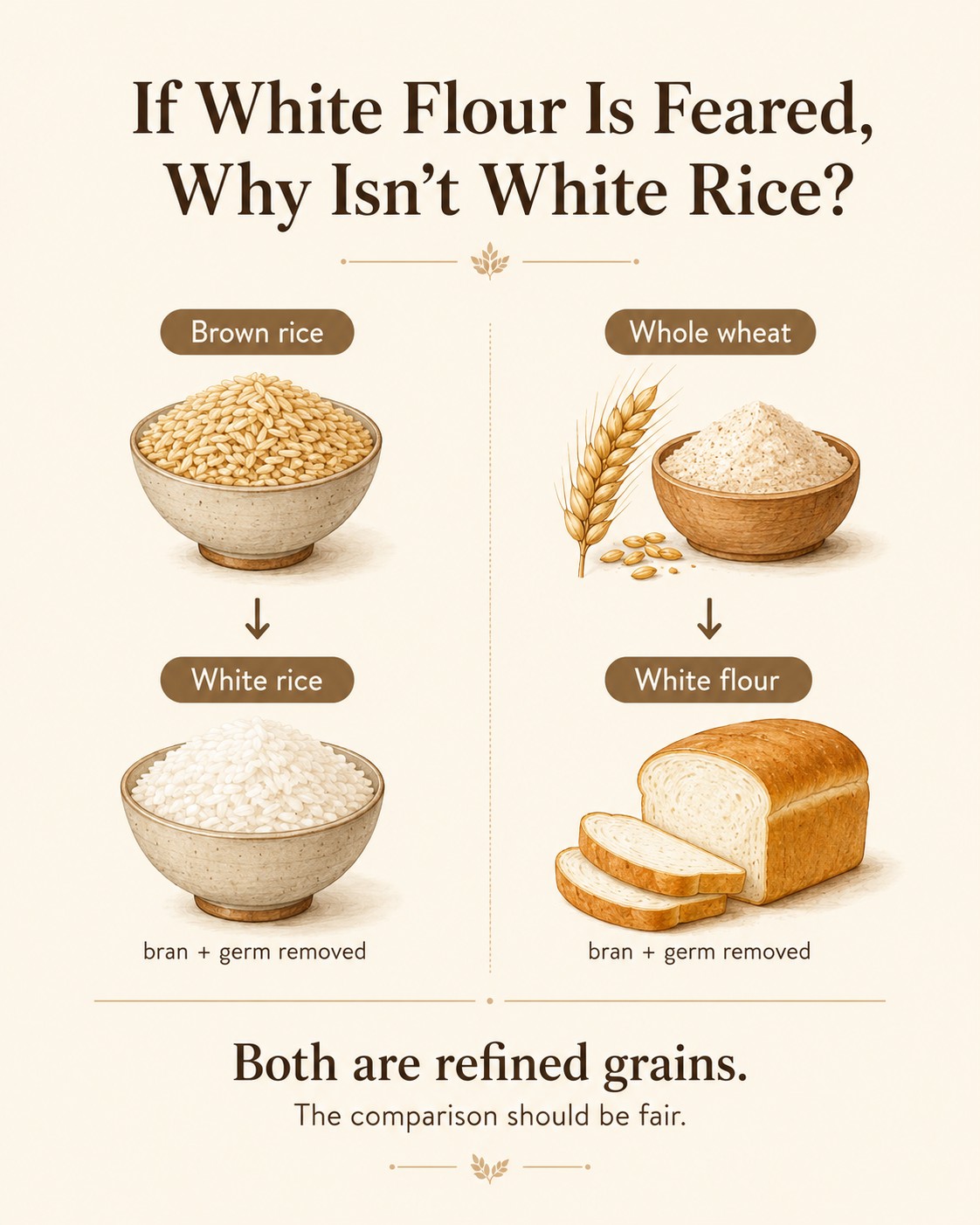
- Brown rice → white rice = bran and germ removed.
- Whole wheat → white flour = bran and germ removed.
In both cases, refining removes some fiber, vitamins, and minerals. So nutritionally, the criticism often directed at maida could also be applied to white rice.
Yet white rice rarely gets the same criticism
One reason is perception. White rice is usually viewed as a traditional staple food, while maida is often associated with cakes, cookies, biscuits, puffs, and fast food. Many of these foods are high in sugar, fat, salt, or calories.
As a result, people often blame the flour when the issue may be the overall food.
Plain white rice is generally accepted, while bread with maida is often criticized. But the health difference between foods involves much more than just the refined carbohydrate.
It is important to consider how we pair the food, how much oil is being used, how much sugar is added, and what the overall meal looks like.
Meal Context
Like rice, maida is a type of carbohydrate
In India, rice is rarely eaten on its own. It is usually paired with lentils, vegetables, yogurt, fish, or other protein-rich foods. This combination provides fiber, protein, vitamins, and minerals, creating a balanced meal.
If we were to eat plain white rice by itself, it would essentially be a source of carbohydrates, just as bread made from white flour is.
So instead of fearing a particular carbohydrate source, a better question is: what are we pairing it with?
Whether it is rice, bread, naan, or pasta, adding vegetables, legumes, protein, and healthy fats can help create a more balanced meal.
Bigger Picture
White rice vs whole wheat vs maida: looking at the bigger picture
One criticism often directed at maida is that it is a “simple carbohydrate” that digests quickly and causes blood sugar spikes. However, the picture is more complex.
Digestion and blood sugar
White rice is generally digested quite rapidly because most of its fiber-rich outer layers have been removed. Maida is also digested relatively quickly compared with whole wheat flour. Whole wheat flour contains more fiber, which can help slow digestion somewhat.
However, the difference is often smaller than people imagine. A typical serving of whole wheat bread or roti does not suddenly become a “high-fiber food.” While whole wheat contains more fiber than maida, it is still primarily a carbohydrate-rich food.
For perspective, 100 g whole wheat flour contains roughly 10–12 g fiber, but a typical roti uses only about 30–40 g flour. That means a roti may provide only a few grams of fiber, far below the daily fiber recommendation of about 25–38 g.
In other words, whole wheat contributes fiber, but vegetables, fruits, legumes, beans, nuts, and seeds should still be the main sources of dietary fiber.
The “honey contains iron” analogy
People sometimes describe whole wheat as if it is a complete nutritional solution. A useful comparison is honey. Yes, honey contains small amounts of minerals such as iron, but nobody relies on honey to meet their iron requirements.
Similarly, whole wheat contains more fiber and nutrients than maida, but it should not be viewed as the sole answer to a healthy diet. The overall dietary pattern still matters far more.
The interesting case of rice: resistant starch
An interesting exception is rice. When cooked rice is cooled, part of its starch changes into what is called resistant starch. This resistant starch is less easily digested in the small intestine and behaves somewhat like fiber.
As a result, cooled rice may produce a lower blood sugar response than freshly cooked hot rice. This is one reason foods cannot always be judged simply by their ingredient list. Preparation methods matter too.
The bigger takeaway
When comparing white rice, whole wheat, and maida:
| Feature | White Rice | Whole Wheat | Maida |
|---|---|---|---|
| Main nutrient | Carbohydrate | Carbohydrate | Carbohydrate |
| Fiber | Low | Higher | Lower |
| Calories | Similar | Similar | Similar |
| Digestion speed | Faster | Somewhat slower | Faster |
| Micronutrients | Lower | Higher | Lower |
The nutritional differences are real, but they are not as dramatic as many people believe.
The biggest determinants of health are still:
- Overall diet quality
- Total calorie intake
- Fiber intake from all foods
- Physical activity
- Sleep
- Stress management
- Portion sizes
No single carbohydrate source determines health on its own. A balanced plate will almost always matter more than whether the carbohydrate comes from rice, whole wheat, or maida.
Food Culture
Is the fear of maida cultural?
India has a long history of rice- and wheat-based flatbread consumption, but not necessarily a strong tradition of European-style breads. As a result, foods made with maida are often viewed as “modern” or “processed” and may be judged differently from familiar staples like rice.
Yet from a nutritional perspective, both white rice and white flour are refined carbohydrates. If someone believes all refined carbohydrates should be avoided, that argument would apply to white rice as well.
The goal should not be to fear one carbohydrate while accepting another without question.
Bigger Picture
Looking beyond brown vs white
The conversation around health is often reduced to “brown is good” and “white is bad.” In reality, health is influenced by many factors:
- Portion sizes
- Overall calorie intake
- Physical activity
- Protein intake
- Vegetable and fruit consumption
- Sleep and stress management
- Cooking methods and oil usage
No single ingredient determines the quality of a diet.
Global Bread Culture
What can we learn from other food cultures?
In many European countries, bread is consumed daily. Traditional breads such as baguettes are a regular part of meals. Yet health outcomes are not determined by bread alone. People generally consume bread alongside vegetables, dairy, proteins, and other foods as part of a balanced dietary pattern.
This highlights an important point: health is shaped by the overall lifestyle and dietary pattern, not by one ingredient in isolation.
White flour has important functional properties. It produces softer bread, better volume, flakier pastries, better gluten development, and more predictable baking results.
Europe
- Baguettes
- Croissants
- Brioche
- Pizza
- Pasta
Japan
- Shokupan, or Japanese milk bread
- Melon pan
- Anpan
- Curry bread
- Many ramen noodles
These countries generally do not treat white flour as a unique health threat. Instead, the focus is usually on portion sizes, overall dietary pattern, physical activity, and consumption of fruits, vegetables, legumes, and whole grains.
Looking Ahead
Fermentation adds another layer of bread science
Fermented breads such as sourdough and traditionally fermented baguettes introduce another interesting aspect of bread science. Fermentation can influence flavor, texture, digestibility, and even some nutritional characteristics.
We’ll explore the science of fermentation and its potential benefits in a future article.
Instead of asking whether a food is “good” or “bad,” we should ask whether our overall diet and lifestyle support our long-term health. That is where the real conversation begins.
The Takeaway
Will you fear maida or understand its science?
White rice and white flour are both refined versions of their whole-grain counterparts. Both lose some fiber and micronutrients during processing.
The reason maida receives more criticism is often cultural and perception-based: it is frequently associated with processed foods and desserts.
The scientific message is not “maida is dangerous.” It is: “whole grains provide more nutritional value.”
Health is determined by the overall diet, portion sizes, food combinations, lifestyle, and cooking methods, not by demonizing a single ingredient.
Rather than fear-mongering or blaming one ingredient for every modern health problem, it is more useful to understand what that ingredient is, how it is made, what nutrients it contains, and how to include it in a balanced diet.
Back to Bread Science