Bread Science
Is Bread Unhealthy?
Bread is one of humanity’s oldest foods, yet few foods create as much debate. Depending on who you ask, bread is either seen as a staple that helped build civilizations or as something to avoid completely.
The truth is less dramatic: bread itself is neither inherently healthy nor unhealthy. Its impact depends on the ingredients, level of processing, portion size, and how it fits into the overall diet. In that sense, bread is similar to rice. Both are staple carbohydrate foods. In many parts of Asia, rice plays that role, while in many European food cultures, bread often serves as the main carbohydrate source.
Just as rice is commonly paired with lentils, vegetables, protein, and fat, bread should also be eaten as part of a balanced meal. This applies regardless of the type of bread, whether it is white bread, whole wheat bread, millet bread, sourdough, or another variety.
In many Asian contexts, bread is often treated more like a snack than a staple meal component. Because of this, people may assume bread is unhealthy. But we usually do not expect rice alone to provide all the fiber, protein, vitamins, and minerals in a meal. In the same way, bread should be understood mainly as an energy source and paired with other foods that provide protein, fiber, fat, and micronutrients.
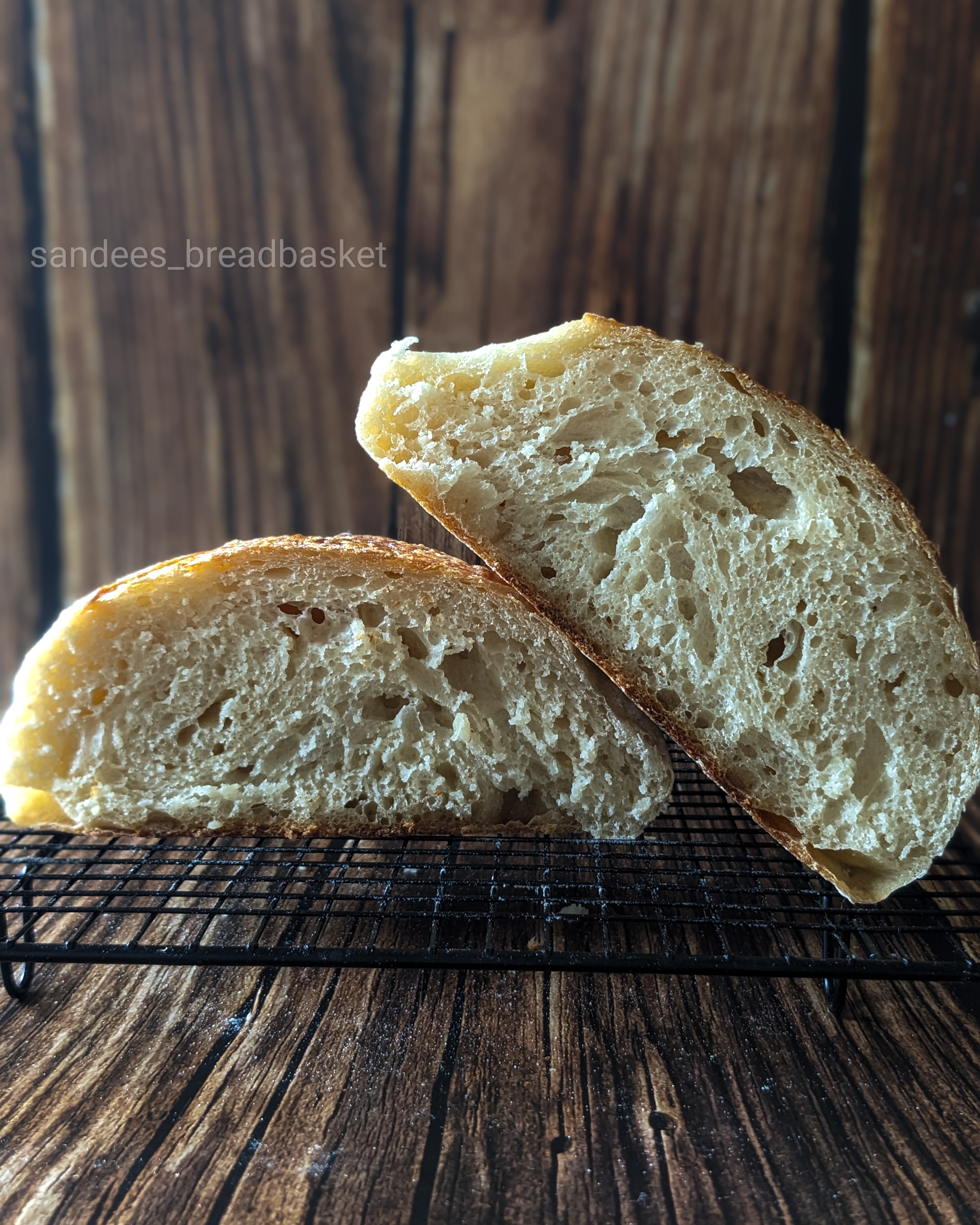
Bread is often criticized because people associate it with maida, or refined white flour. However, not all bread is made from maida. There are many types of bread, including multigrain bread, seeded bread, sourdough, whole wheat bread, rye bread, and high-fiber bread, each serving different needs. Even with whole wheat or sourdough bread, the fiber content alone is usually not enough to make a complete meal. This is why pairing matters.
Bread Science
What Is Bread?
Bread is a baked food traditionally made from four simple ingredients: flour(can be white, brown, gluten free etc) , Water, Salt and a leavening agent (yeast or sourdough culture).
Modern commercial breads may also include ingredients to improve softness, shelf life, consistency, and production speed.
Humans have consumed bread in one form or another for more than 14,000 years, making it one of the oldest prepared foods known to exist.
How’s it made?
The basic process is remarkably simple:
Mix flour and water.
Add yeast or sourdough starter.
Allow fermentation.
Shape the dough.
Allow final proofing (second fermentation)
Bake it.
Different breads vary mainly in:
Flour type
Hydration
Ingredients
Fermentation time
Baking method
Science behind that?
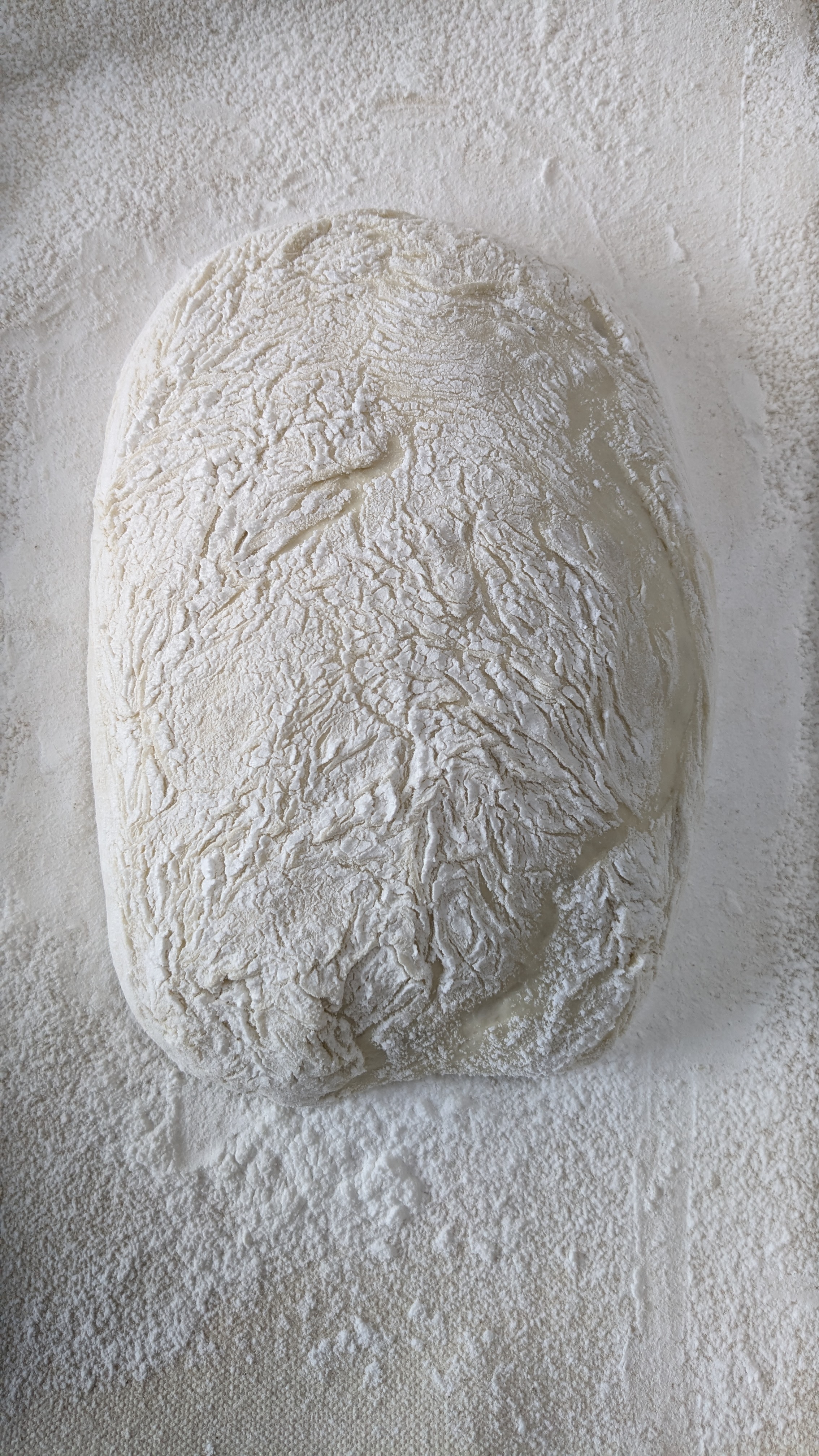
Bread making is essentially applied biology and chemistry.
Gluten formation
When water meets wheat flour, two proteins that’s glutenin and gliadin combine to form gluten.
Gluten creates a stretchy network that traps gas and allows bread to rise.
Fermentation
Yeast consumes sugars and releases:
- Carbon dioxide
- Alcohol
- Organic acids
The trapped carbon dioxide expands the dough.
Baking
Heat causes:
- Yeast activity accelerates then stop
- Starch gelatinization
- Protein coagulation
- The crust to brown through the Maillard Reaction
That brown crust and roasted aroma are chemistry in action.
History of bread?
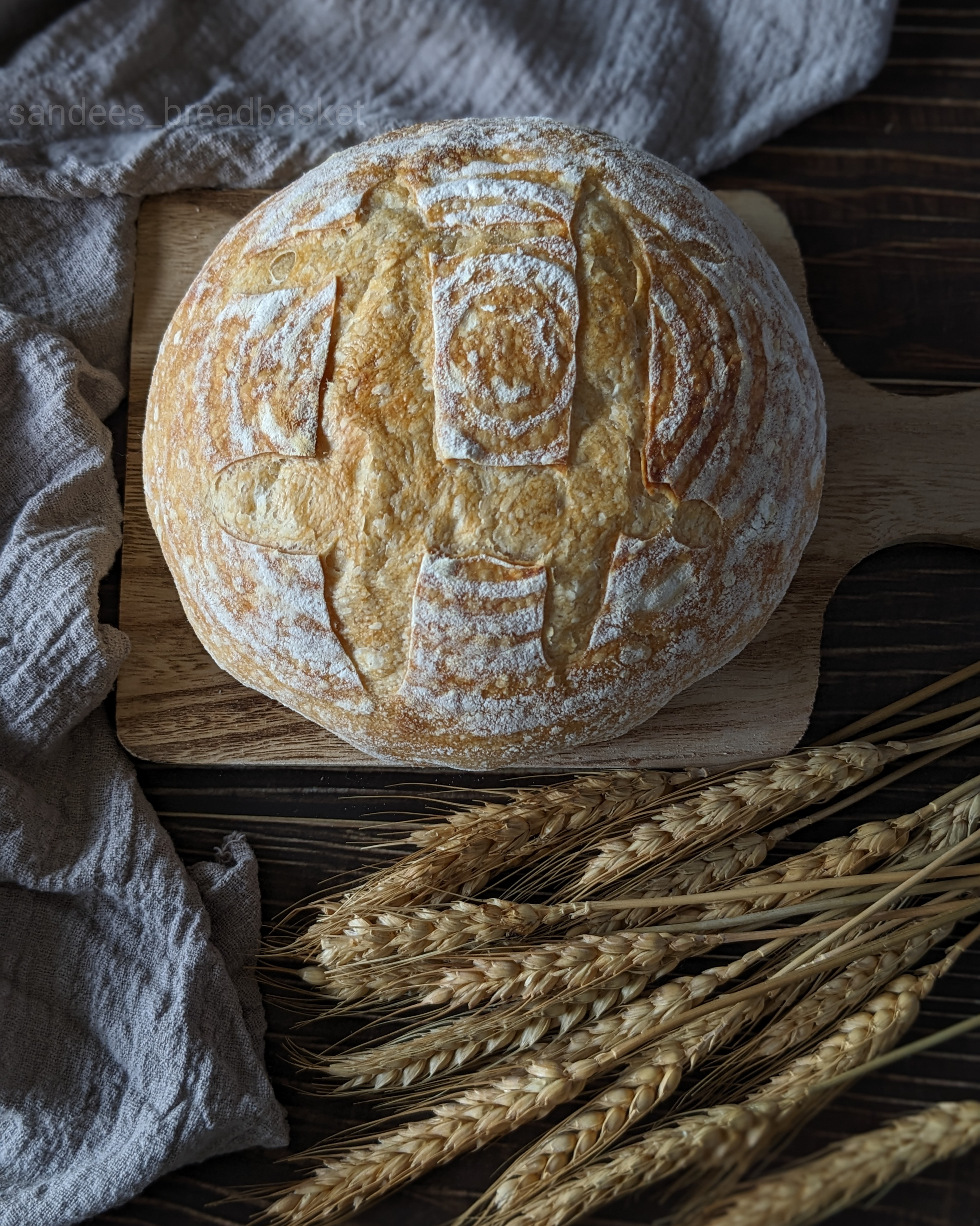
Archaeological evidence suggests humans produced bread-like products around 14,400 years ago in present-day Jordan, long before agriculture became widespread.
Ancient civilizations later developed their own breads:
- Egypt developed leavened bread
- India developed flatbreads such as roti and naan
- France became famous for baguettes
- Japan adopted Western bread culture relatively recently and developed shokupan
Bread evolved differently depending on climate, grains, and culture.
Nutritional value?
Typical white sandwich bread (100g):
| Nutrient | Amount |
|---|---|
| Calories | 250-270 kcal |
| Carbohydrates | 45-50 g |
| Protein | 8-10 g |
| Fat | 2-4 g |
| Fiber | 2-3 g |
Typical whole wheat bread (100g):
| Nutrient | Amount |
|---|---|
| Calories | 240-260 kcal |
| Carbohydrates | 40-45 g |
| Protein | 10-13 g |
| Fat | 3-5 g |
| Fiber | 6-9 g |
Types of Bread
Examples include:
- White sandwich bread
- Whole wheat bread
- Sourdough
- Rye bread
- Multigrain bread
- Focaccia
- Brioche
- Baguette
- Ciabatta
- Flatbreads
- Sprouted grain bread
- Seeded bread
There are so many variations based on the needs.
Bread Science
Concerns of why white bread is unhealthy?
Common concerns include:
Lower fiber
During milling, the bran and germ are removed.
Faster digestion
Refined flour is absorbed more rapidly, causing larger blood sugar to rise.
Easier overeating
Low fiber means less satiety.
Association with ultra-processed diets
Many packaged white breads contain:
- Added sugars
- Emulsifiers
- Preservatives
However, these concerns apply mostly to heavily processed products, not necessarily all white bread.
What’s the truth about chemicals used?
Everything in food is made of chemicals.
Water is a chemical.
Salt is a chemical.
Vitamin C is a chemical.
Common bread additives include:
- Ascorbic acid (Vitamin C)
- Enzymes
- Emulsifiers
- Preservatives
Most approved additives undergo extensive safety evaluation before use.
The real question is not "chemicals versus no chemicals" but:
- Why are they used
- How much is used
- What is the overall nutritional profile
A homemade sourdough loaf may contain four ingredients.
An industrial sandwich loaf may contain twenty.
Neither automatically becomes good or bad because of ingredient count alone.
Bread Science
Comparing Whole Wheat Bread, White Bread, and Sourdough
One of the biggest misconceptions in nutrition is that white bread, whole wheat bread, and sourdough belong to completely different categories of healthfulness. In reality, each has advantages and limitations depending on ingredients, fermentation, and individual needs.
| Feature | White Bread | Whole Wheat Bread | Sourdough Bread |
|---|---|---|---|
| Main flour | Refined wheat flour | Whole wheat flour including bran and germ | Can be white or whole wheat flour |
| Fiber content | Lower | Higher | Depending on flour used |
| Texture | Soft and light | Denser and nuttier | Chewy with open crumb |
| Digestion speed | Generally faster | Generally slower | Often slower due to organic acids |
| Blood sugar response | Usually higher | Usually lower | Often lower than regular yeast bread |
| Mineral availability | Lower naturally | Higher naturally | Fermentation may improve mineral absorption |
| Flavor | Mild | Nutty and earthy | Tangy and complex |
| Shelf life | Shorter without additives | Shorter due to whole grains | Naturally stays fresh longer because of acidity |
White Bread
White bread is made using refined flour where the bran and germ have been removed.
Advantages:
- Soft texture
- Mild flavor
- Easier for some people to digest
- Preferred in many culinary applications
Limitations:
- Lower fiber content
- Usually causes a quicker rise in blood sugar
- Less filling compared to whole grain alternatives
Whole Wheat Bread
Whole wheat bread contains all parts of the wheat kernel:
- Bran
- Germ
- Endosperm
Advantages:
- Higher fiber
- More vitamins and minerals
- Greater satiety
- Supports digestive health
Limitations:
- Denser texture
- Some people find it harder to digest
- Can become dry more quickly
Sourdough Bread
Sourdough refers to a fermentation method, not a flour type.
A sourdough loaf may be:
- White sourdough
- Whole wheat sourdough
- Rye sourdough
- Multigrain sourdough
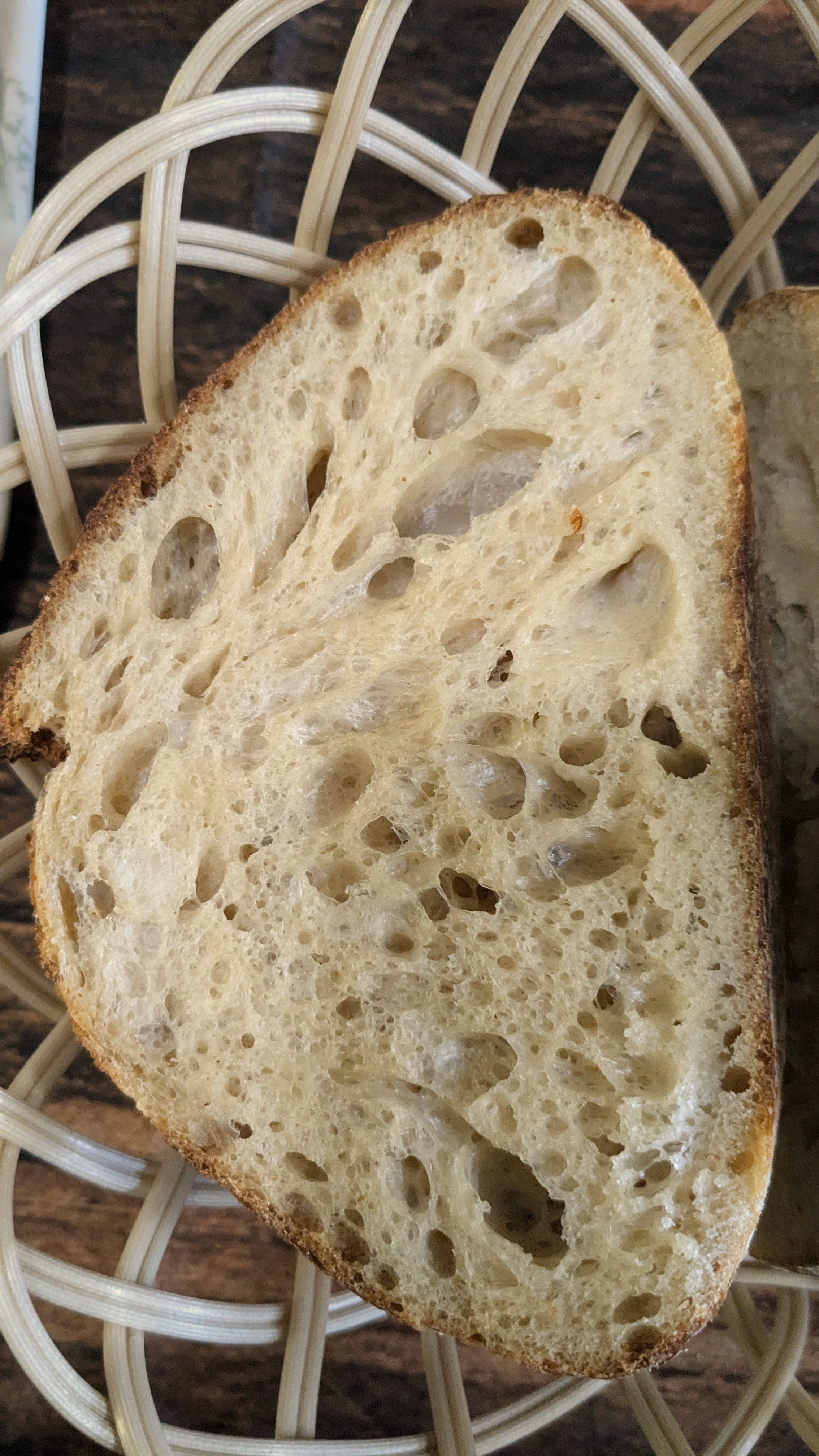
During long fermentation, naturally occurring yeasts and bacteria produce organic acids that affect flavor and digestion.
Potential advantages include:
- Lower glycemic response compared to many commercial yeast breads
- Partial breakdown of certain carbohydrates and proteins during fermentation
- Reduced Phytate Levels, which may improve mineral availability
- Longer natural shelf life without preservatives
Research suggests sourdough fermentation can lower the blood sugar response compared with conventional yeast-fermented bread made from the same flour. Studies have also shown that fermentation reduces phytic acid levels, potentially improving absorption of minerals such as iron and zinc.
But if only for fiber, Is just eating whole wheat bread enough?
If your goal is simply to increase your fiber intake, eating whole wheat bread can help, but it is usually not enough on its own.
One slice of commercially prepared whole wheat bread may contain only a small amount of fiber, often around 2 grams, while adults generally need much more fiber throughout the day. A better approach is to get fiber from a variety of foods, such as vegetables, fruits, beans, lentils, oats, brown rice, nuts, and seeds.
For fiber, whole wheat bread is a good choice, but high-fiber bread, bran bread, or dense 100% whole-grain seeded bread may be better options. The most important point is not to rely only on labels such as “whole wheat” or “multigrain.” Always check the nutrition label and look at the actual fiber content.
For protein, bread made with chickpea flour, soy flour, added seeds, or other high-protein ingredients may be a better choice. However, bread, rice, or any carbohydrate staple should not be treated as the main source of protein or fiber in a meal. Even a good bread may provide only around 4–6 grams of protein per slice.
For a higher-protein meal, it is better to pair bread with foods such as eggs, Greek yogurt, cottage cheese, tuna, chicken, tofu, hummus, peanut butter, beans, or lentils.
Bread Science
Which One Is Healthiest?
There is no universal winner.
Different breads can suit different needs:
- For higher fiber and fullness, high-fiber bread or whole-grain seeded bread may be the best choice
- For a balanced everyday option, whole-wheat bread is a good choice because it usually provides little more fiber and nutrients
- For more protein, high-protein bread or sprouted grain bread may be preferred
- For flavor and fermentation benefits, sourdough may be preferred
- For a richer taste and denser texture, rye bread or pumpernickel may be a good option
- For soft texture or easier digestion, white bread may suit some people better
- For gluten sensitivity or celiac disease, gluten-free bread is the safer choice, but it is important to check the label
- For lower carbohydrates, low-carb or keto bread may be preferred
- For sandwiches or wraps, pita bread, flatbread, or tortillas may be more convenient
- For occasional treats, brioche, challah, croissants, or milk bread may be enjoyed
But the most important point is even with all the above bread, the bread itself is not enough to meet your daily balanced meal needs. Just like any main food, it is important to pair it.
The healthiest choice is often less about the bread itself and more about:
- Portion size
- What do you eat with it
- Your health goals
- Your cultural preferences
- Your digestive tolerance
A slice of white bread with eggs and vegetables may provide a more balanced meal than whole wheat bread eaten alone.
The question is often not:
- "Which bread is healthy?"
but rather:
- "Which bread fits my body, lifestyle, and plate?"
Whole Wheat in Japan vs Indian Atta: Are They Really the Same?
Many people assume whole wheat flour is whole wheat flour, but not all whole wheat flours are nutritionally and functionally identical.
This is especially important when comparing Japanese whole wheat bread flour with Indian atta.
Although both come from the same wheat grain, the type of wheat, milling process, and intended use make them quite different.
| Feature | Japanese Whole Wheat Flour | Indian Atta |
|---|---|---|
| Wheat type | Usually hard bread wheat | Usually hard durum or semi-hard wheat varieties |
| Milling method | Roller milled | Traditionally stone milled, now often chakki milled |
| Particle size | Coarser bran particles | Very finely milled |
| Fiber distribution | Bran pieces remain larger | Bran distributed more evenly |
| Damaged starch | Lower | Higher |
| Water absorption | Moderate | Higher |
| Intended use | Bread and Western baking | Roti, chapati, paratha |
| Dough behavior | Gluten development prioritized | Extensibility prioritized |
Why Does Atta Have Such a Strong Health Reputation?
In countries such as India, white bread historically became associated with:
- Urbanization
- Industrial food production
- Convenience foods
- Added sugars and fats
Meanwhile, chapati remained associated with:
- Home cooking
- Simpler ingredients
- Traditional meals
- Higher vegetable intake
As a result, people often compare:
- Homemade atta chapati with Commercial packaged white bread
This is not an equal comparison because even home-made food varies with the amount of oil used, portion size, rice/roti quantity, and side dishes etc.
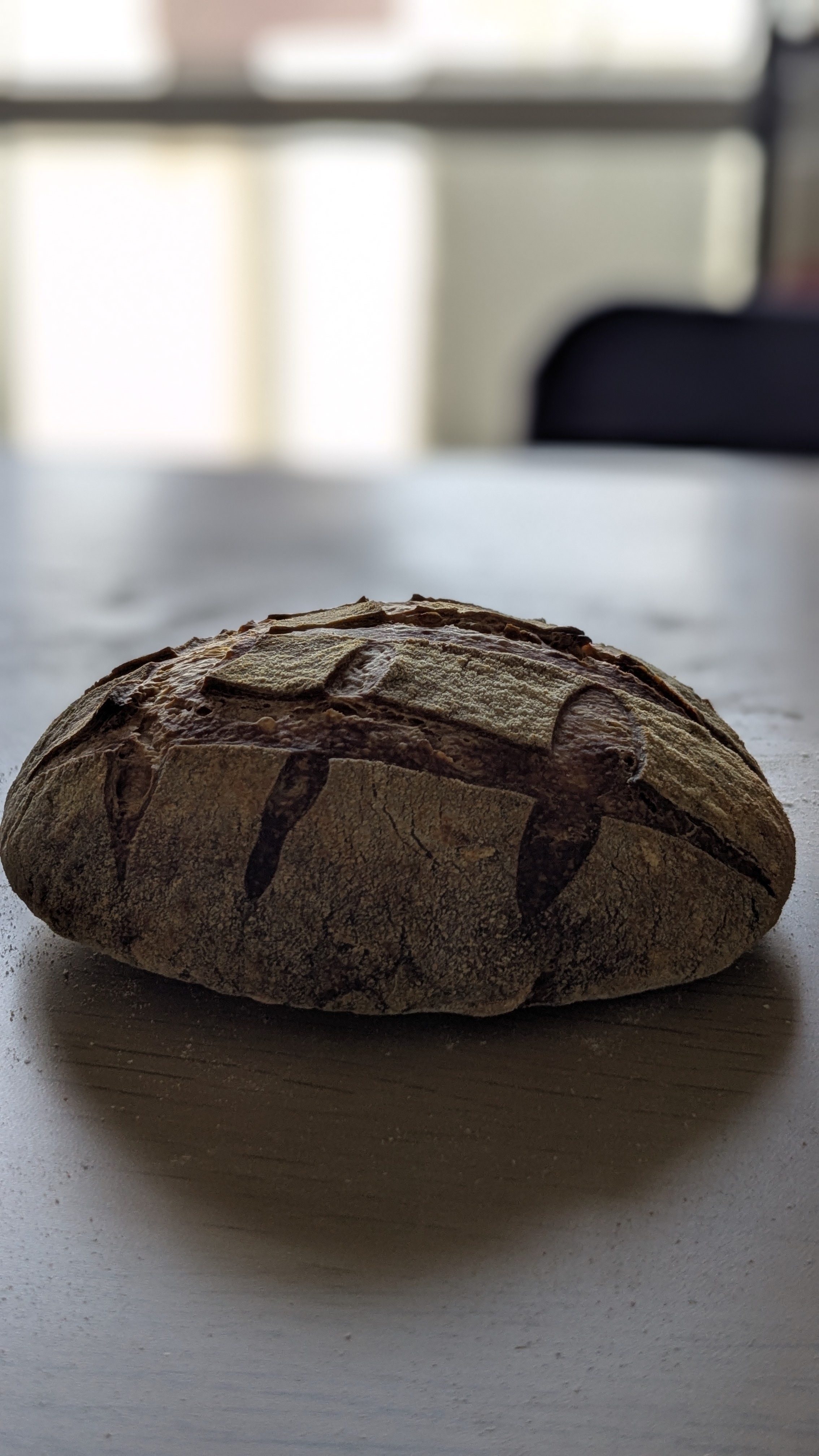
Awareness: Whole Wheat Does Not Automatically Mean Healthy, and White Flour Does Not Automatically Mean Unhealthy
A balanced meal with white bread, eggs, vegetables, and healthy fats may be more nutritious than a meal consisting only of several chapatis.
Similarly, whole wheat products can still be high in sugar, fat, and calories.
The goal should be informed of choices rather than food fear.
Food is deeply connected to culture, memories, family, and tradition.
Bread and chapati have nourished billions of people for generations.
The conversation should not be:
- "Which food is bad?"
but rather:
- "How can we build healthier meals with the foods we enjoy?"
How white bread is commonly consumed all over the world?
How White Bread Is Consumed Around the World
Bread is not just food in Europe and in many countries, it is part of the daily eating structure.
Across Europe, bread is a staple carbohydrate source, often eaten multiple times a day at breakfast, lunch, and dinner. In countries like France, Germany, Italy, and Spain, bread is not treated as a snack but as a core part of meals.
Many cultures pair white bread with nutrient-rich foods:
- Butter and cheese in Europe
- Olive oil and vegetables in the Mediterranean
- Eggs and salads in Japan
- Meat and vegetables in sandwiches worldwide
Bread is rarely eaten alone.
The nutritional quality of the meal matters more than the color of the bread.
Can we compare “white bread cultures” vs “whole wheat cultures” and obesity?
Bread type (white vs whole wheat) does NOT predict obesity rates.
For example,
Case 1: France (white bread culture) - relatively lower obesity
Staple bread: baguette, white sourdough, mixed breads
Bread consumption: daily (~100–120g/day)
Obesity: ~9–10%
Despite:
- high white bread intake
- Pastries and butter culture
- France still has lower obesity than many Western countries
Why:
- smaller portions
- structured meals
- less snacking culture (traditionally)
- Walking Culture in cities
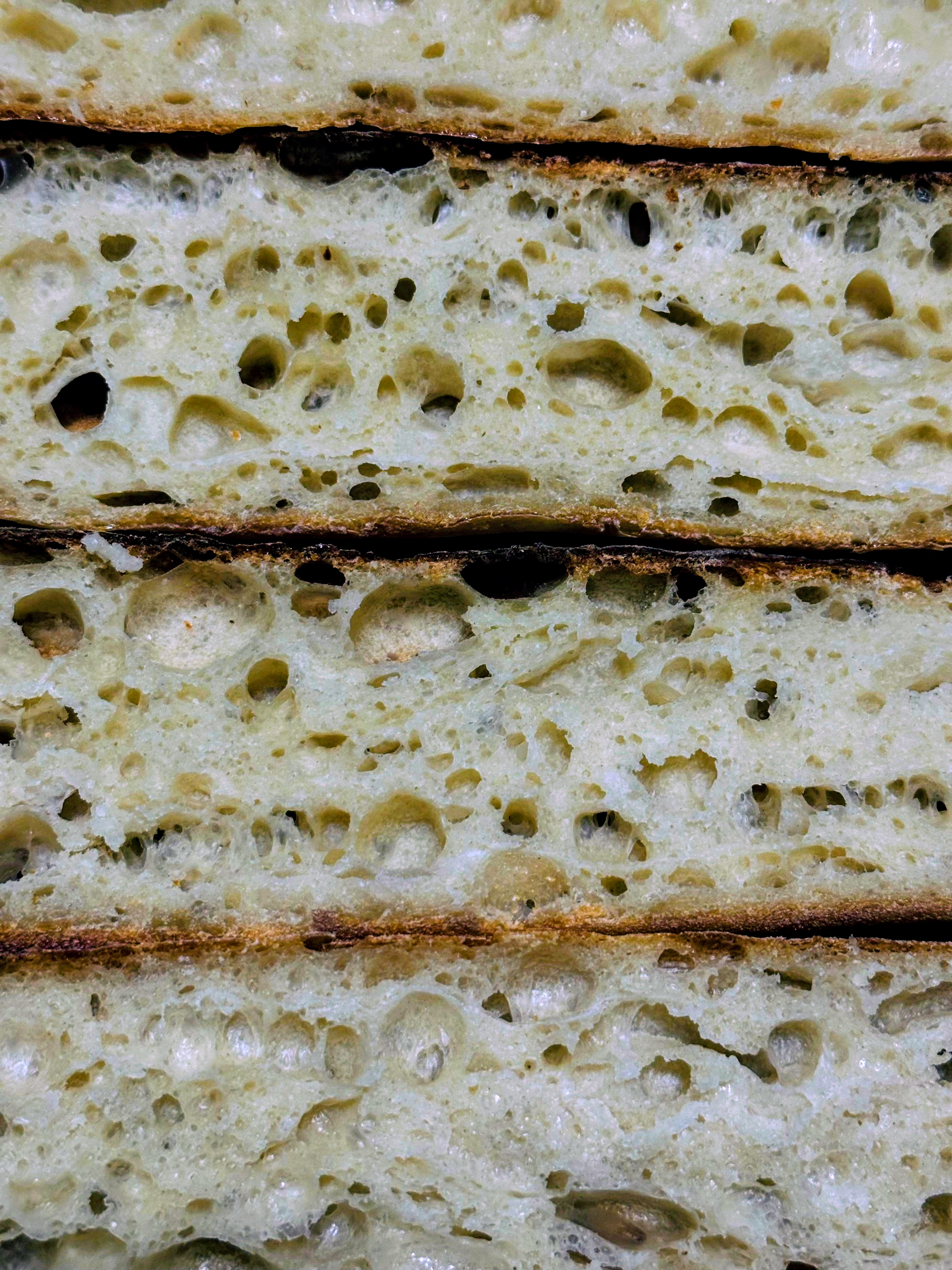
Case 2: Germany (mixed + whole grain heavy culture)- higher obesity
Staple bread: whole grain rye, seeded bread, mixed breads
One of the highest bread varieties + whole grain cultures in Europe
Obesity: ~19–23%
Despite:
- high whole grain consumption
- strong “healthy bread” culture
Obesity is still significantly higher than France.
Why:
- higher calorie intake overall
- processed meat + cheese-heavy diet
- higher fat intake
- lifestyle differences
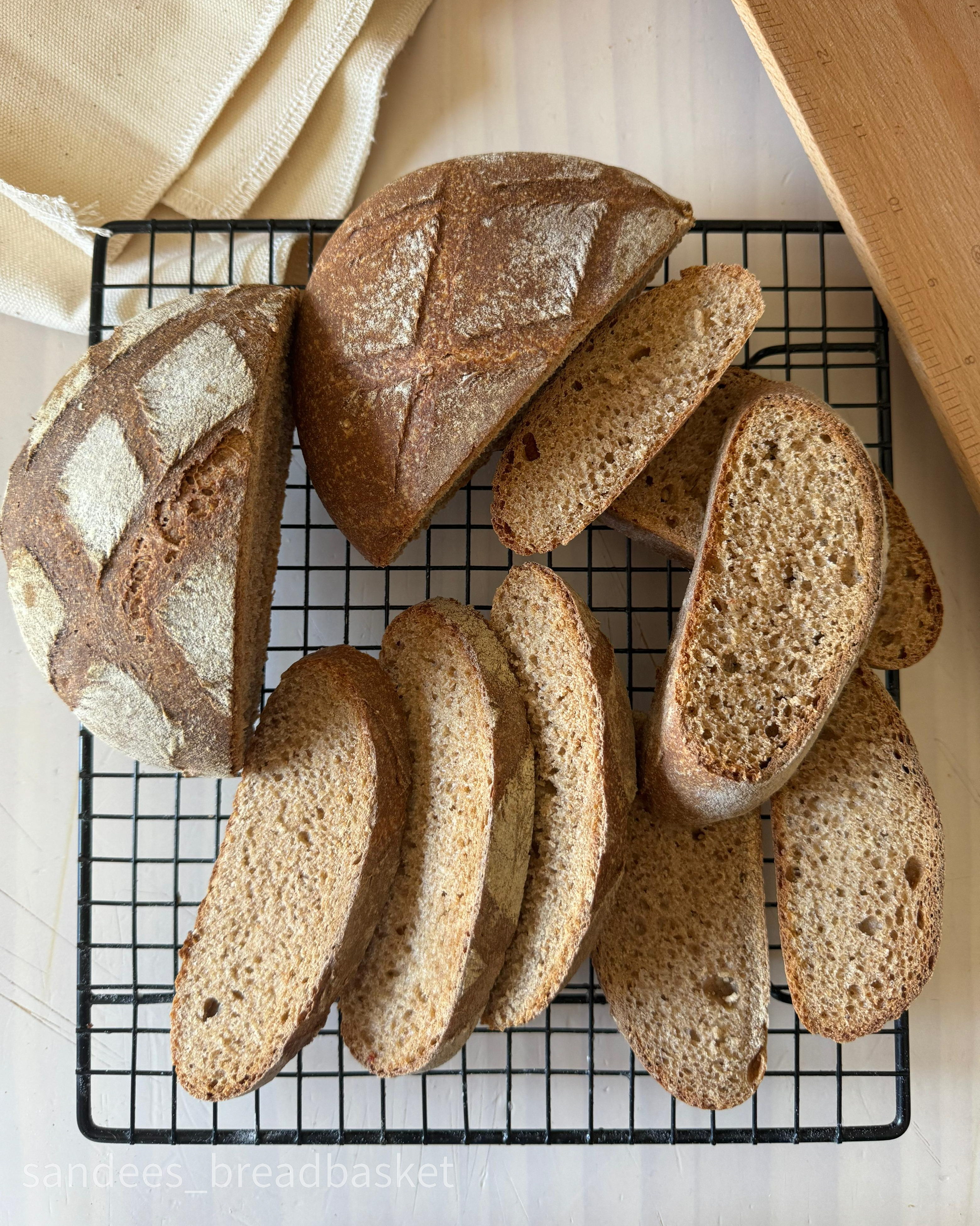
Case 3: USA (white bread + ultra-processed bread culture) - high obesity
Staple bread: industrial white bread, buns, packaged bread
Obesity: ~40%+
But:
This is NOT due to bread alone.
Drivers:
- ultra-processed food dominance
- sugary drinks
- fast food systems
- portion sizes
Bread type is secondary.
Case 4: Turkey (traditional whole wheat + bread-heavy culture) - moderate-high obesity
Staple bread: white + whole wheat flatbreads
Very high per-capita bread consumption (~100–200 kg/year range in studies)
Obesity: ~30%+ (rising trend)
Despite:
- strong wheat-based traditional diet
- more whole wheat than many Western countries
Obesity is still high.
Why:
- rapid diet westernization
- sugar + oil increase
- urban lifestyle shift
Bread Science
What this comparison proves
Across bread-heavy countries:
| Country | Bread type dominance | Obesity |
|---|---|---|
| France | Mostly white bread | Low (~10%) |
| Germany | Whole grain heavy | Higher (~20%) |
| USA | White + processed bread | Very high (~40%+) |
| Turkey | Mixed (incl. whole wheat) | High (~30%+) |
Bread Science
Key scientific conclusion
There is no consistent relationship between “white bread vs whole wheat bread consumption” and obesity rates across countries.
Even among countries where bread is a daily staple, obesity varies widely regardless of whether the bread is white or whole wheat.
France, Germany, Turkey, and the United States all consume bread daily, yet their obesity rates differ significantly. This clearly shows that bread type alone does not determine health outcomes.
It is okay with comparing obesity among European genetics but not with Indians!
Why? Genetics!!
Bread Science
Diabetes and Genetics
From a diabetes point of view, genetic and ethnic background can also matter. People of Indian or South Asian ancestry tend to have a higher risk of type 2 diabetes at a lower body weight compared with many people of European ancestry.
Evidence shows we often have more visceral/liver fat, less muscle, and lower insulin-production reserve at a given BMI.
Why South Asian risk should be discussed carefully
Let’s do a simple comparison.
Indian meals vary a lot by oil, portion size, rice/roti quantity, and side dishes, so I’ll use realistic ranges. I am using same pairing for rice, roti and bread.
| Main carb option | Main carb calories | Same pairing | Total |
|---|---|---|---|
| 2 slices white bread | ~150 kcal | ~200 kcal | ~350 kcal |
| 2 slices whole-wheat bread | ~160–200 kcal | ~200 kcal | ~360–400 kcal |
| 3 idli | ~120–180 kcal | ~200 kcal | ~320–380 kcal |
| 1 plain dosa | ~170–250 kcal | ~200 kcal | ~370–450 kcal |
| 2 roti / chapati | ~200–260 kcal | ~200 kcal | ~400–460 kcal |
| 1 cup cooked white rice | ~205 kcal | ~200 kcal | ~405 kcal |
| 2 parathas | ~400–600 kcal | ~200 kcal | ~600–800 kcal |
As the comparison shows, whole wheat bread, roti, rice, and parathas may contain more calories than white bread in similar serving comparisons.
As a South Indian, I personally feel that it is common to eat rice without measuring the portion, unlike foods such as idli, bread, or roti, which are often eaten in more defined quantities. Still, food choices are personal and cultural.
Making one culture’s staple food into a “villain” is not a fair or scientific way to discuss nutrition.
Choice or Fear Mongering? (Bread vs Rice vs Other Staples)
Food debates like “bread is unhealthy” or “rice is better” are rarely about science alone.
They are usually a mix of:
- Partial Science
- cultural bias
- marketing
- social media simplification
All staple foods are basically the same “category”.
Whether it is:
- Bread (Europe, Middle East)
- Rice (East Asia)
- Maize (Africa, Latin America)
- Wheat chapati/roti (India)
They all function as:
Energy base foods (carbohydrate staples)!
They differ in:
- processing
- fiber
- glycemic response
- Pairing foods
- culture
But not in “good vs bad”.
Bread Science
Why bread gets called “unhealthy” more than rice in India
This is where perception, not science, dominates.
Bread is labeled unhealthy because:
- It is often compared in its worst form
- It is associated with “processed food systems”
Rice is not criticized the same way because:
1. It is culturally “neutral or traditional”
Rice is seen as:
- home food
- clean ingredients
- simple cooking
Not “processed food” in public perception.
It is often easier to criticize industrial foods than to examine the role of our own traditional staples, because food is not just nutrition. It is also culture, identity, family, comfort, and memory.
2. It is usually eaten with balanced meals in India
Rice is rarely eaten alone:
- dal / curry / vegetables / fish
So, the meal context looks healthier.
3. Marketing + cultural bias
Western nutrition narratives historically focused on:
- wheat + bread as “carbs to reduce”
while Asian staples were often excluded from criticism.
But scientifically are they different?
Yes, but not in a “good vs bad” way.
Comparison per cooked 100g:
| Food | Calories | Fiber | Glycemic response |
|---|---|---|---|
| White bread | ~250 kcal/100g | low | medium-high |
| Whole wheat bread | ~240 kcal/100g | higher | medium |
| White rice | ~130 kcal/100g | low | medium |
| Brown rice | ~110 kcal/100g | higher | lower |
Key insight:
- Bread is more calorie-dense per gram
- Rice is lighter per cooked volume
- Whole grains reduce glycemic spikes in both cases
But none automatically causes obesity.
Bread Science
Why “bread is unhealthy” became popular
This belief is mostly driven by 4 things:
1. Diet culture simplification
People want simple rules:
- “Eat this, avoid that”
Bread became an easy target as it is culturally different.
2. Ultra-processed food confusion
People don’t distinguish between:
- homemade bread
- Industrial packaged bread
- bakery sourdough
As a result, bread as a whole gets blamed, while the extra calories from our own traditional home-cooked meals are often overlooked.
3. Low-carb trends
Keto / low-carb diets promoted:
- “carbs = bad”
Bread got more criticism than rice because it is more visible in Western diets.
4. Social media misinformation
Short content prefers:
- “bread is poison”
instead of:
- “diet patterns matter more than single foods”
- In Reality,
Bread in Europe and rice in Asia are not nutritional opposites; they are cultural equivalents. The health of a meal depends less on whether the plate contains bread or rice and more on what accompanies it.
Bread Science
Long-Fermented Bread
Long fermentation:
- Improve flavor
- Breaks down some carbohydrates
- Reduces phytates
- Can improve mineral absorption
Long-fermented sourdough often has a lower glycemic response than standard yeast bread.
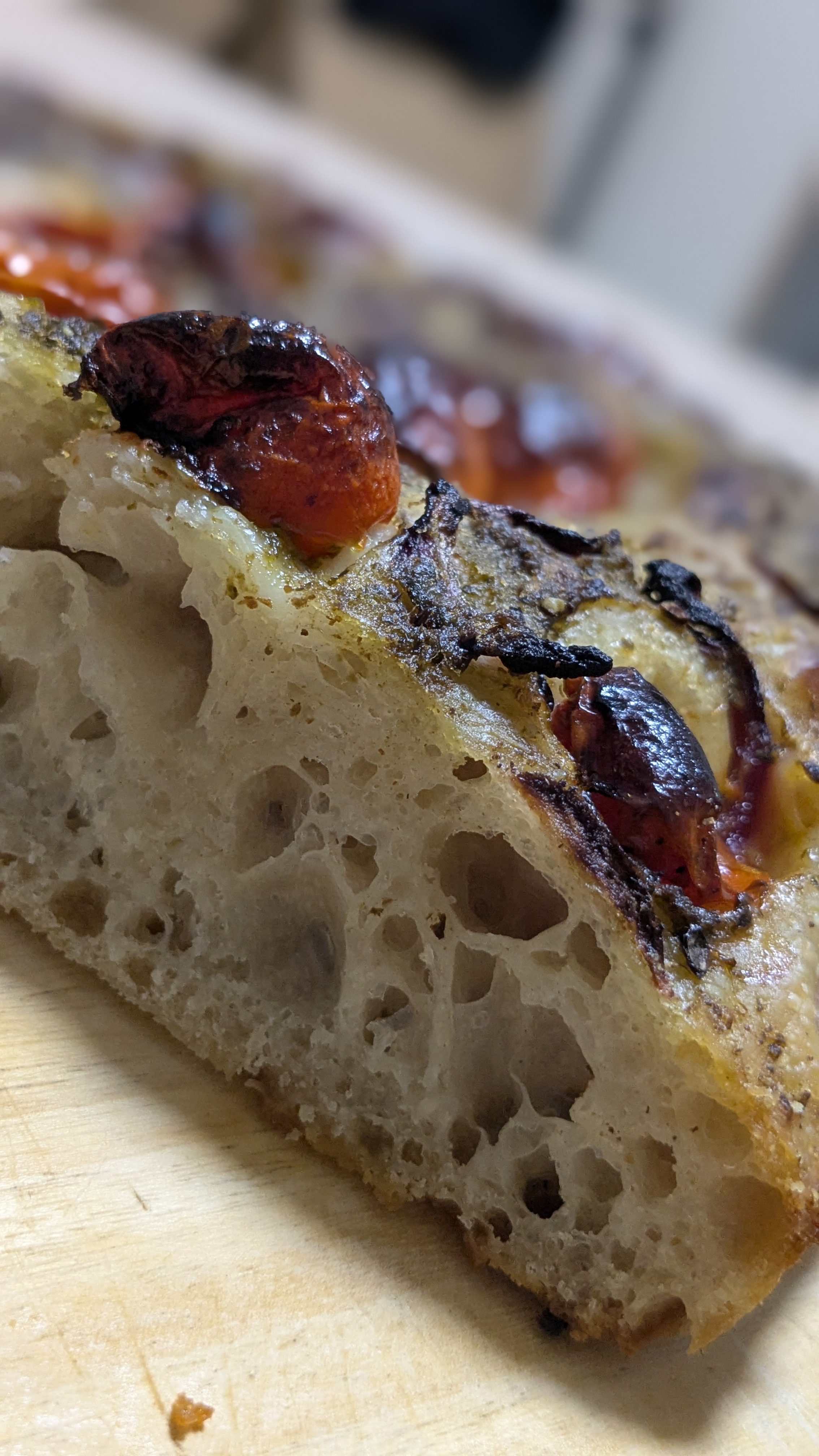
Fermented foods in different cultures?
Humans have relied on fermentation for thousands of years.
Examples include:
- Sourdough bread
- Yogurt
- Kimchi
- Miso
- Soy sauce
- Idli
- Dosa
- Sauerkraut
- Kefir
Fermentation is not unusual or modern! It is one of humanity's oldest food technologies.
Gluten Sensitivity
Most people digest gluten without issues.
However:
People with Celiac Disease must avoid gluten completely.
People with Non-Celiac Gluten Sensitivity may feel better reducing gluten.
For everyone else, current evidence does not support avoiding gluten simply because it is gluten.
Fear of Frozen and White Foods?
Frozen vegetables often retain nutrients extremely well.
Similarly:
- White rice is not poison
- White bread is not poison
- White potatoes are not poison
Food colour does not determine health value.
Context matters more than colour.
Bread Science
Final takeaway
Labeling bread as “unhealthy” while rice is considered “healthy” is not a scientific conclusion- it is a cultural and perceptual bias.
Both are staple carbohydrate foods, and neither determines obesity on its own. Health outcomes depend on overall dietary pattern, food processing level, and lifestyle, not the choice of bread versus rice.
Food, a choice! Rice or Bread
Bread fed hunters before agriculture, workers during industrialization, and families across continents for thousands of years.
The question isn't:
- "Is bread unhealthy?"
A better question is:
- "Which bread works best for my body, lifestyle, and culture?"
For some people that answer is sourdough.
For others it is shokupan.
For others it is chapati.
And for many people, it is all of them at different times.
That is not inconsistency.
That is simply how humans have always eaten.